Synonyms: One-humped camel / Arabian camel
Class: Mammals
Order: Artiodactyla
Family: Camelidae
Genus and species: Camelus dromedarius
English Name: Camel
Arabic Name: Jamal

Description, habitats, and behaviors
The dromedary is a mythical animal celebrated by the Holy Quran. This fantastic beast is remarkable, both for its predominant role in nomad history and for its multiple qualities and uses (transport, agricultural work, entertainment, domestic products (milk, meat, leather, and hair)). The dromedary is a tall, slender animal with a long neck, long legs, wide feet with two toes, and a short tail. It measures 220 to 340 cm in length and between 220 and 250 cm in shoulder height, weighing between 400 and 1100 kg. Its short-haired coat varies in color from white to tawny. The dromedary is among the domestic animal species particularly adapted to life in arid and hot desert environments. Indeed, in popular imagery, it is inseparably associated with deserts. Its knees and chest are equipped with pads that protect it from burns when it crouches on hot sand. Alone among mammals, the dromedary is capable of drinking 15 liters of water per minute. It can also go 3 weeks without drinking water during the dry season, and up to 6 weeks in the hot season. Furthermore, its internal temperature can vary according to external heat between 34 °C and 42 °C. The dromedary is a social and gregarious animal. It lives in groups ranging from a few individuals to over 80, composed of a dominant male, females, and young. The dromedary is herbivorous and feeds on various trees, shrubs, grasses, and thorny foliage.
Status in the world and in the region
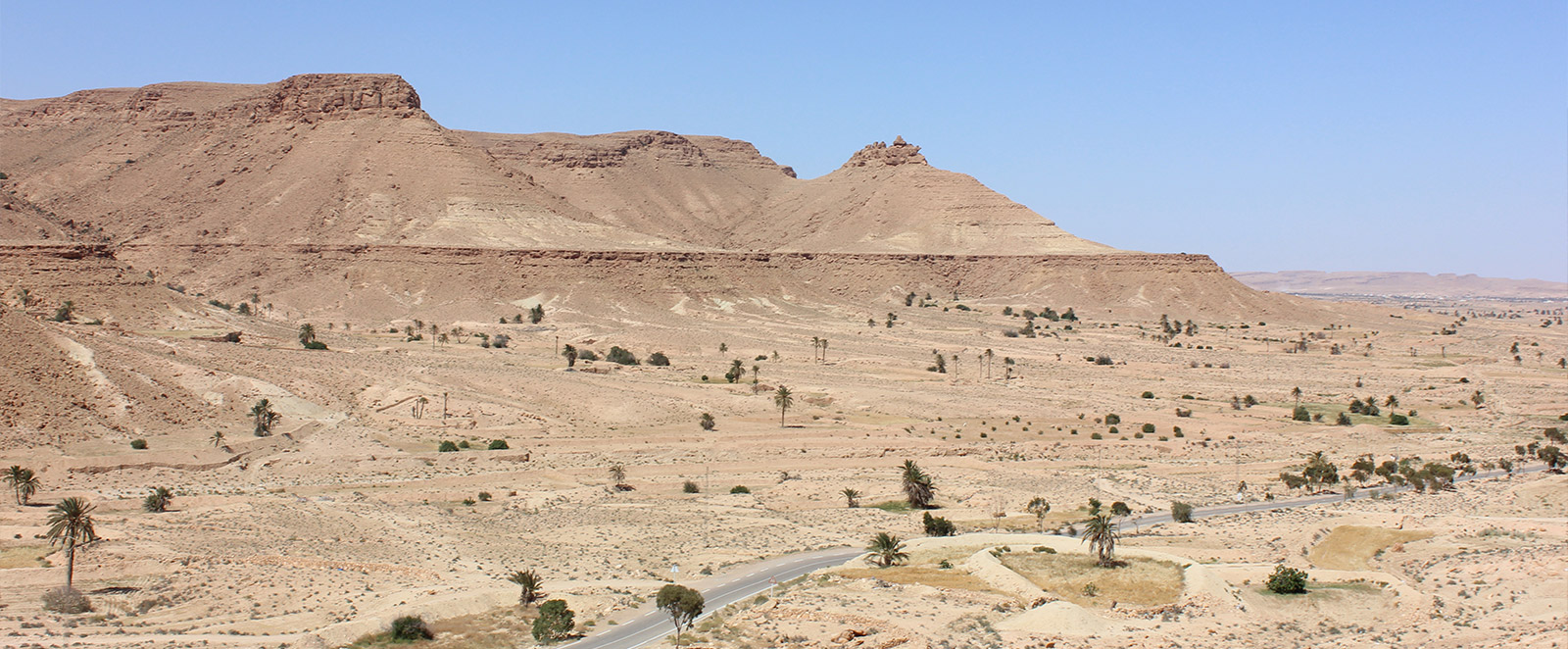
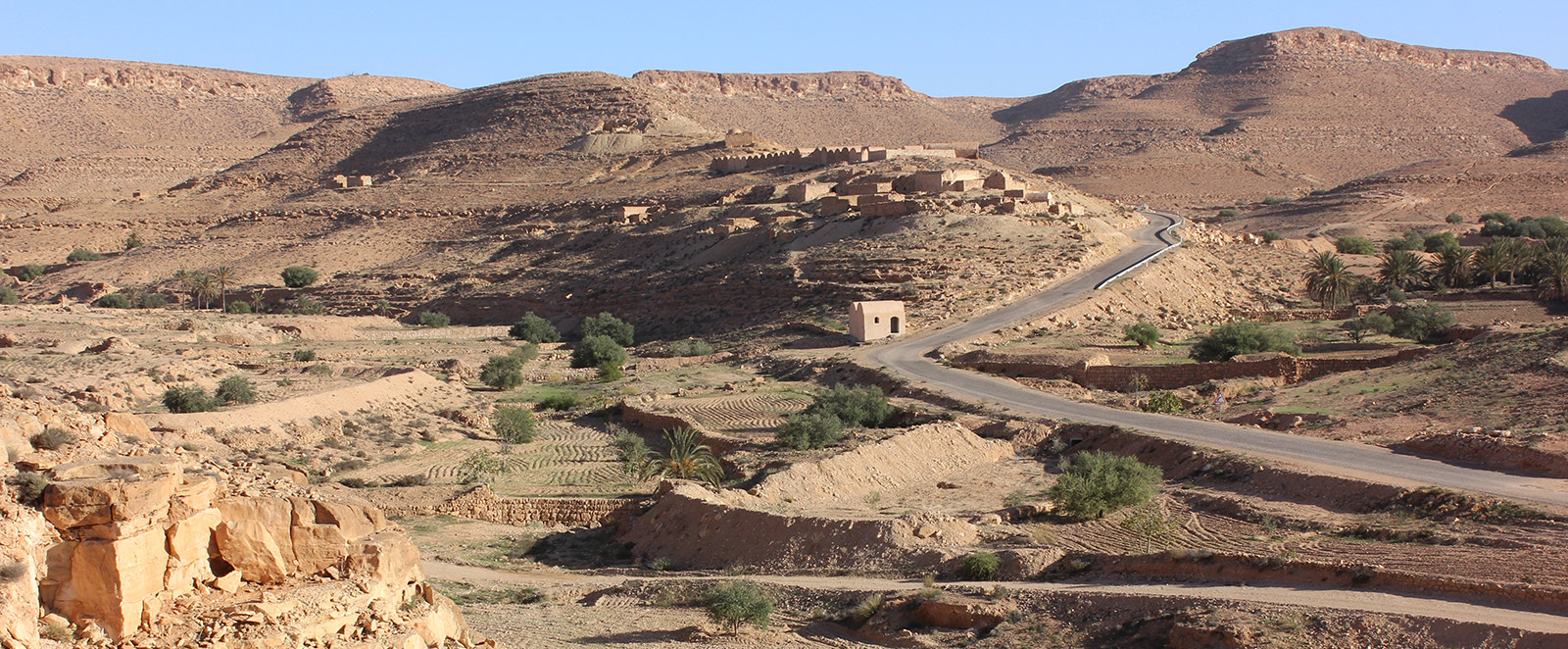
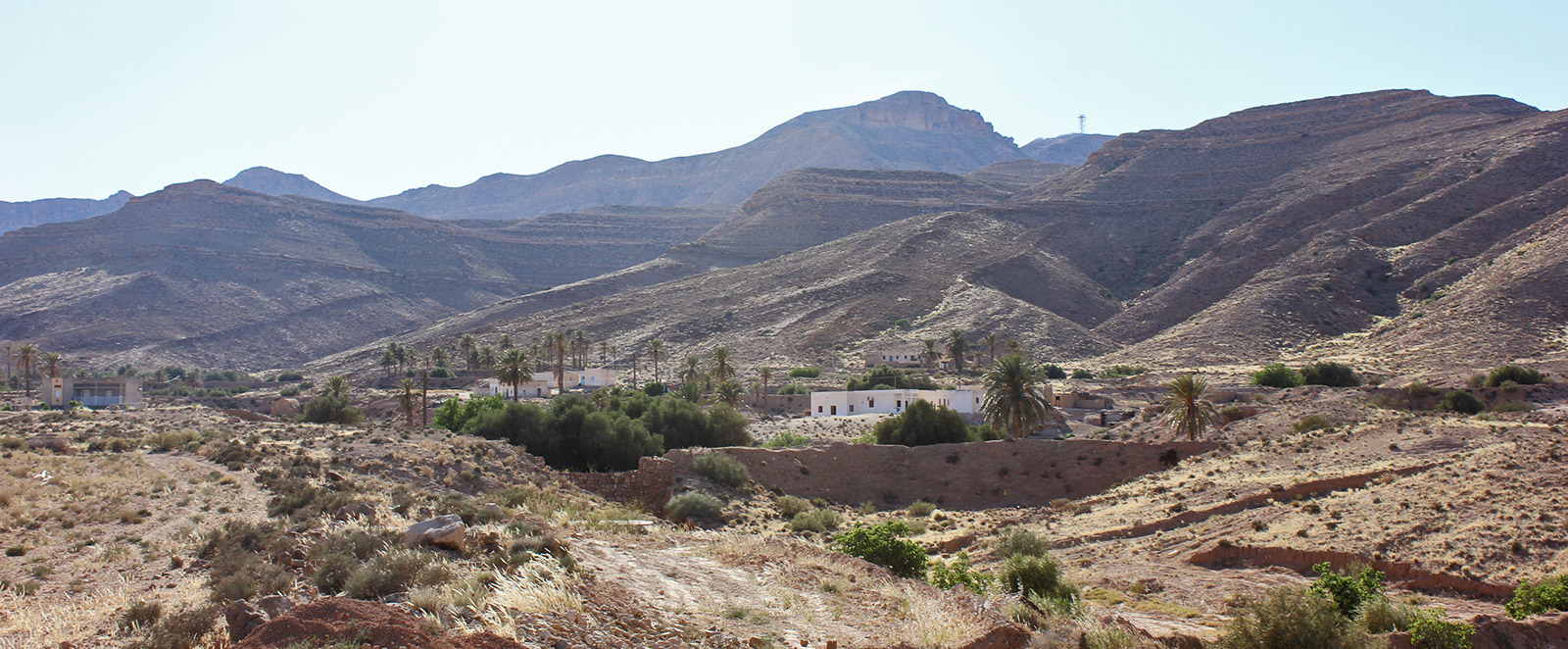
The dromedary is widespread in Africa (East, West, and North), Asia (Thar Desert in India), and Australia. However, its relative importance varies greatly from country to country. The region is part of the territory used by the dromedary in Tunisia. It constitutes a very important rangeland space providing a wide range of pastoral resources and water points. Dromedary breeding in the region represents an essential asset from both an economic valuation and environmental perspective, given its dispersal over hyper-extensive spaces, its low-impact trampling, its ability to utilize halophytic pastures, and its specific feeding behavior that preserves vegetation when left free.