Olive cultivation in the Terrasses or the "Jessours"
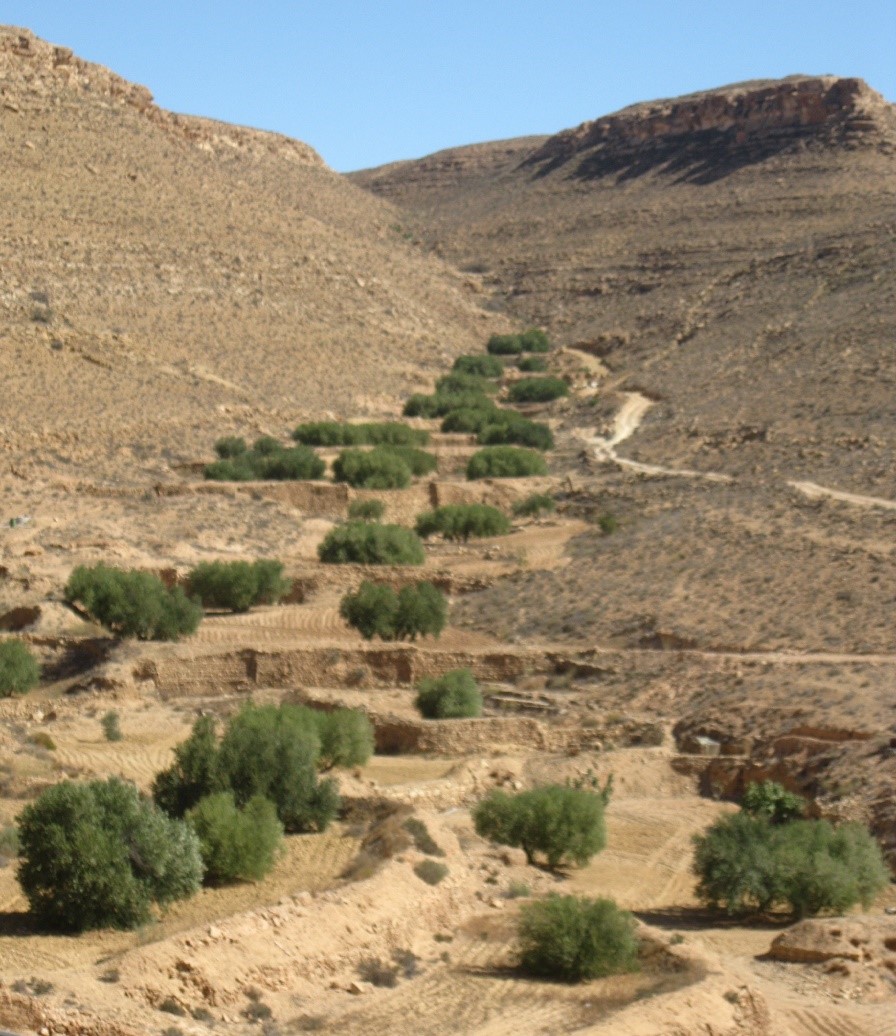 Graduated terraces
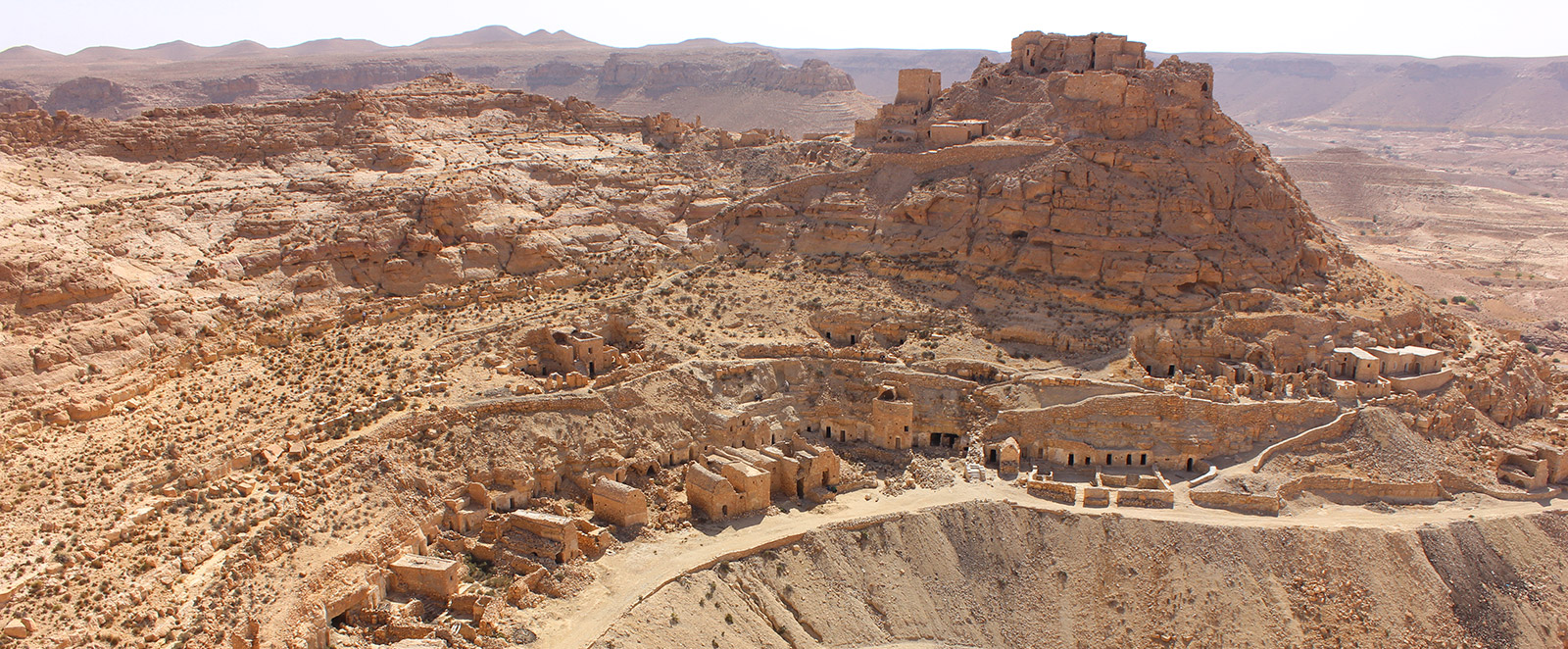
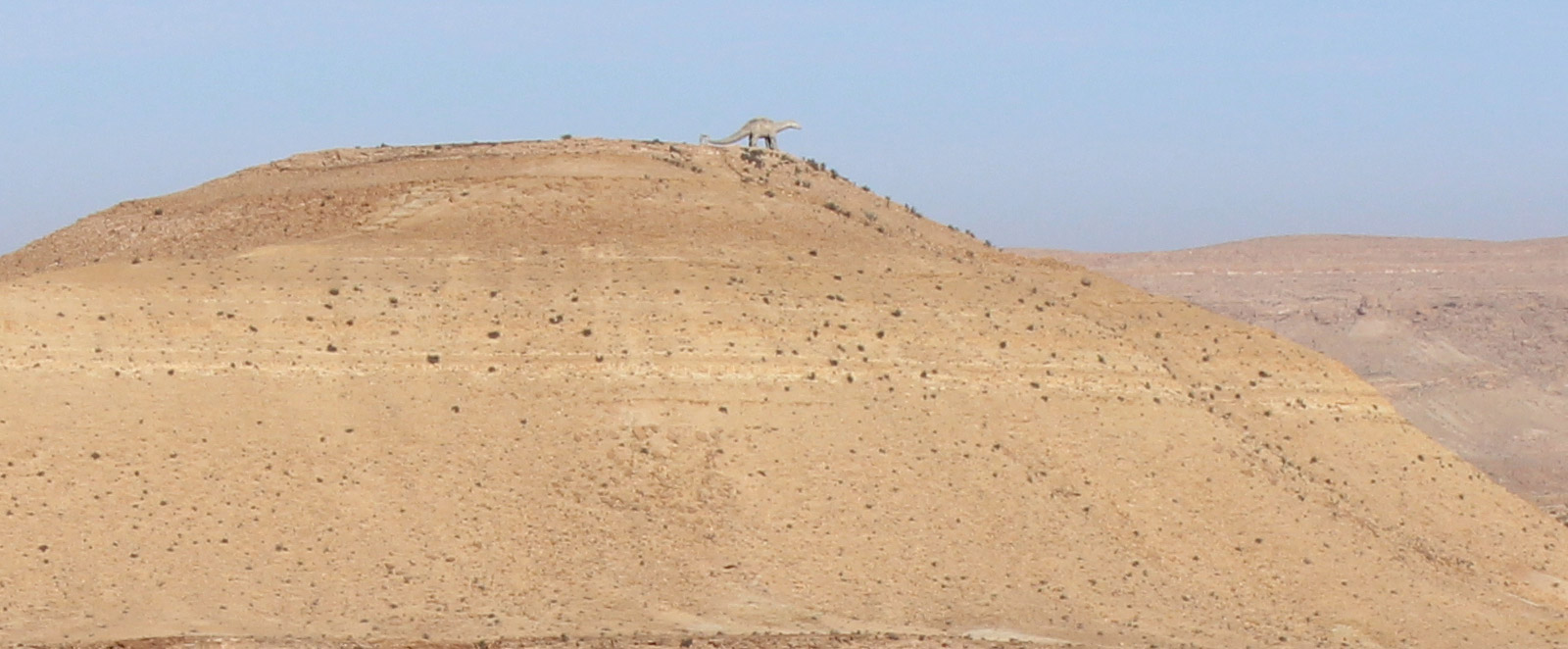
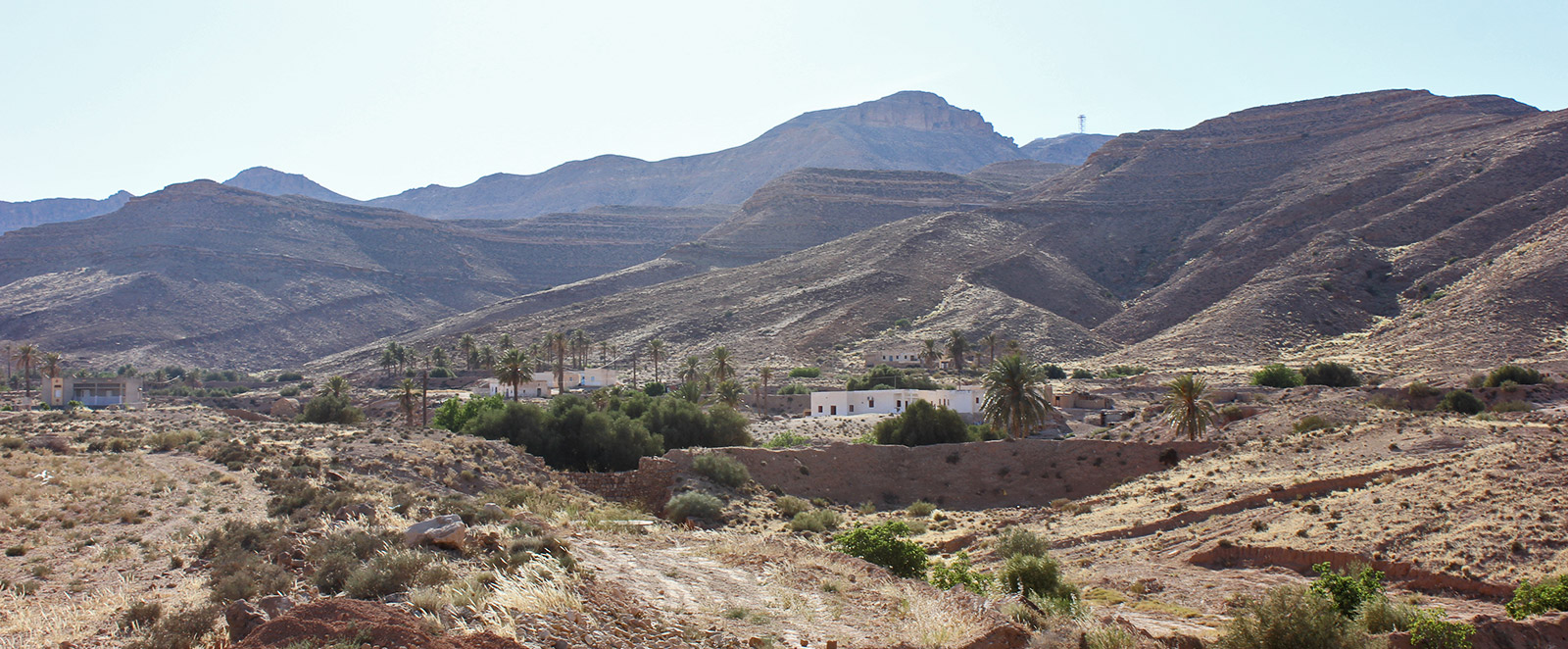
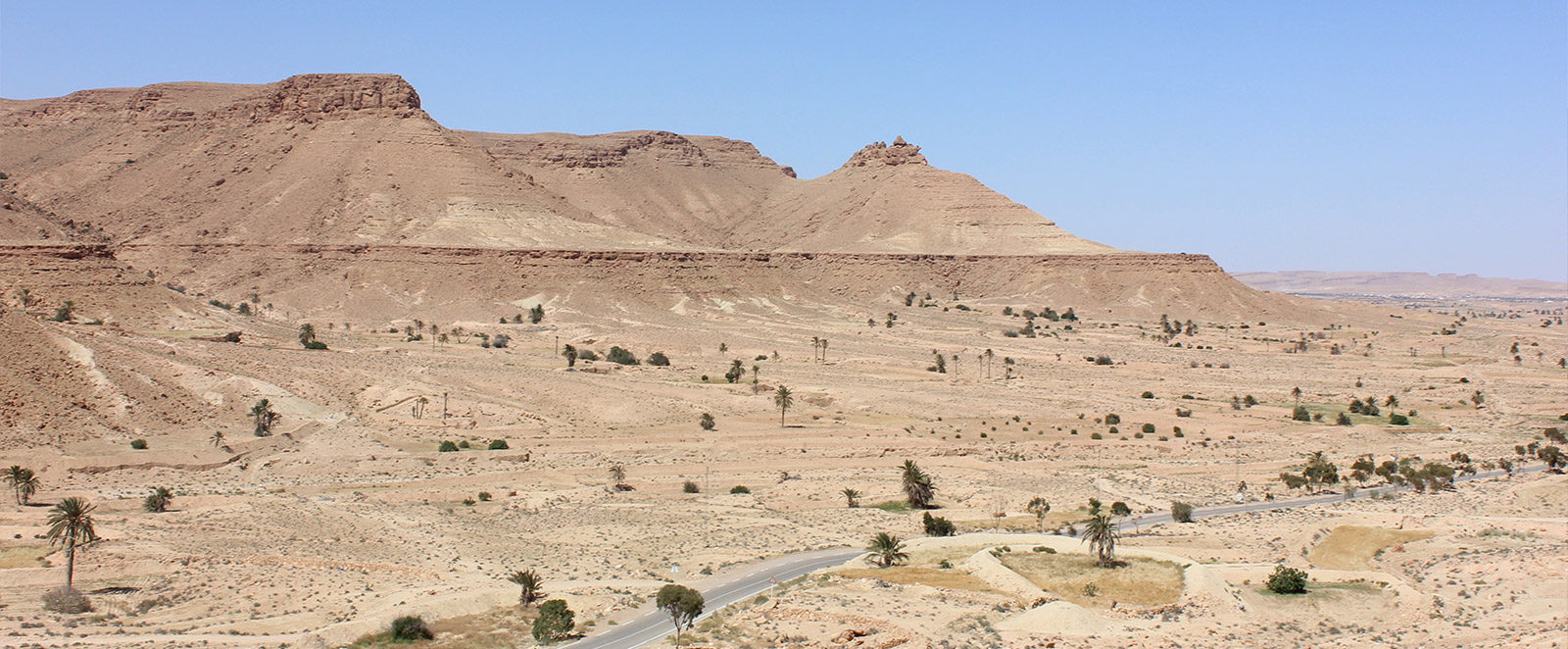
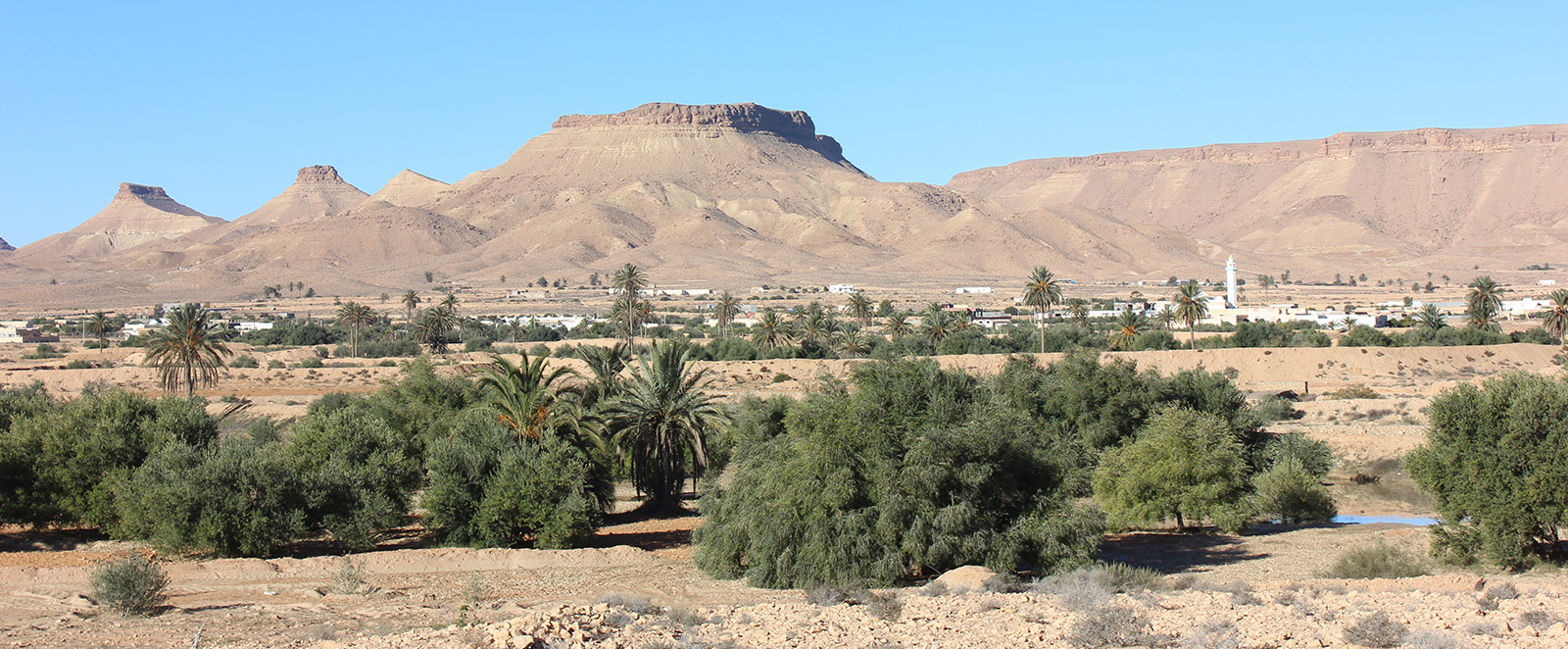
The Region: It is known as the Matmata mountain range, featuring Jbel Tbagua to the north, the Demer mountain in Beni Khedache in the middle, and the Jbel Abiodh mountain to the south. This mountain arc forms the eastern edge of the desert plateau; this range also extends through the Naffousa mountain in Libyan territory to the Gulf of Sirte.
The Climate: This part of Tunisia is characterized by a semi-arid desert climate with high temperatures, especially in summer, sometimes reaching extreme levels, relatively mitigated by maritime influences on one hand and the altitude on the other. Rainfall varies between 100 and 200 mm per year, which makes agricultural activity—other than the cultivation of olive trees and some fig or palm trees—almost impossible.
Rainwater Runoff Management Techniques and Arboriculture: The inhabitants of the mountainous region have developed techniques for managing rainwater runoff and tree cultivation in basins formed as small mountain dams of varying sizes. These are intended for fruit trees such as palms, figs, and especially olives. These dams, consisting of a "Tabia" (mound) or "Katrah" (as locals call them), are composed of sand barriers supported by paved rock walls, forming basins in which soil transported by runoff water from the mountain peaks is deposited. The dams resemble graduated terraces, which locals use as favorable zones for growing olive trees.