Prepared by: Aloui Slah, Heritage Curator at the Ecomuseum of Arid Regions.
The olive tree, the blessed, eternal, and immortal tree, is a perennial plant that populates the shores of the Mediterranean. Although there is a difference of opinion regarding its origin, it has spread throughout Mediterranean countries since the Punic and Carthaginian eras. For millennia, the olive tree has held a special place in the lifestyles and beliefs of Mediterranean societies. The Holy Quran mentions the olive tree in two Surahs: Surah AN-NUR, verse 35 (The Light): "In the name of Allah, the Most Gracious, the Most Merciful: Allah is the Light of the heavens and the earth. The example of His light is like a niche within which is a lamp. The lamp is within glass, the glass as if it were a pearly [white] star lit from [the oil of] a blessed olive tree, neither of the east nor of the west, whose oil would almost glow even if untouched by fire. Light upon light. Allah guides to His light whom He wills. And Allah presents examples for the people, and Allah is Knowing of all things.", and Surah At-Teen, verse 1 (The Fig).
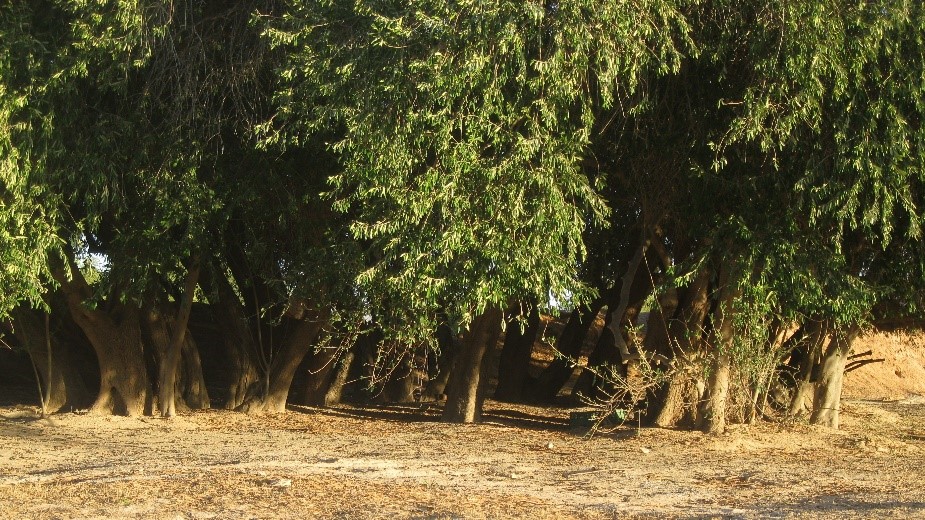 A field of olive trees
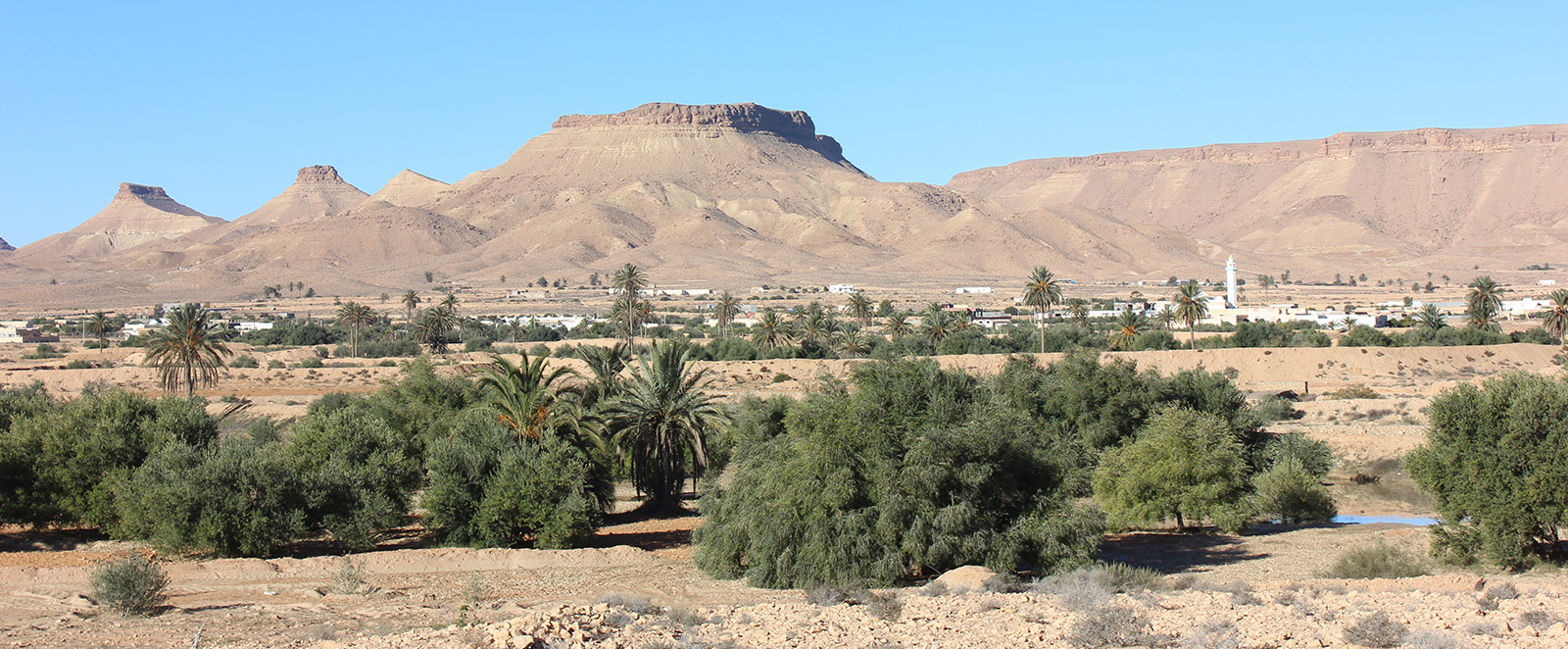
As in most North African countries, the olive tree has occupied a privileged position in all regions of Tunisia since ancient times, and the Tunisian South is no exception.
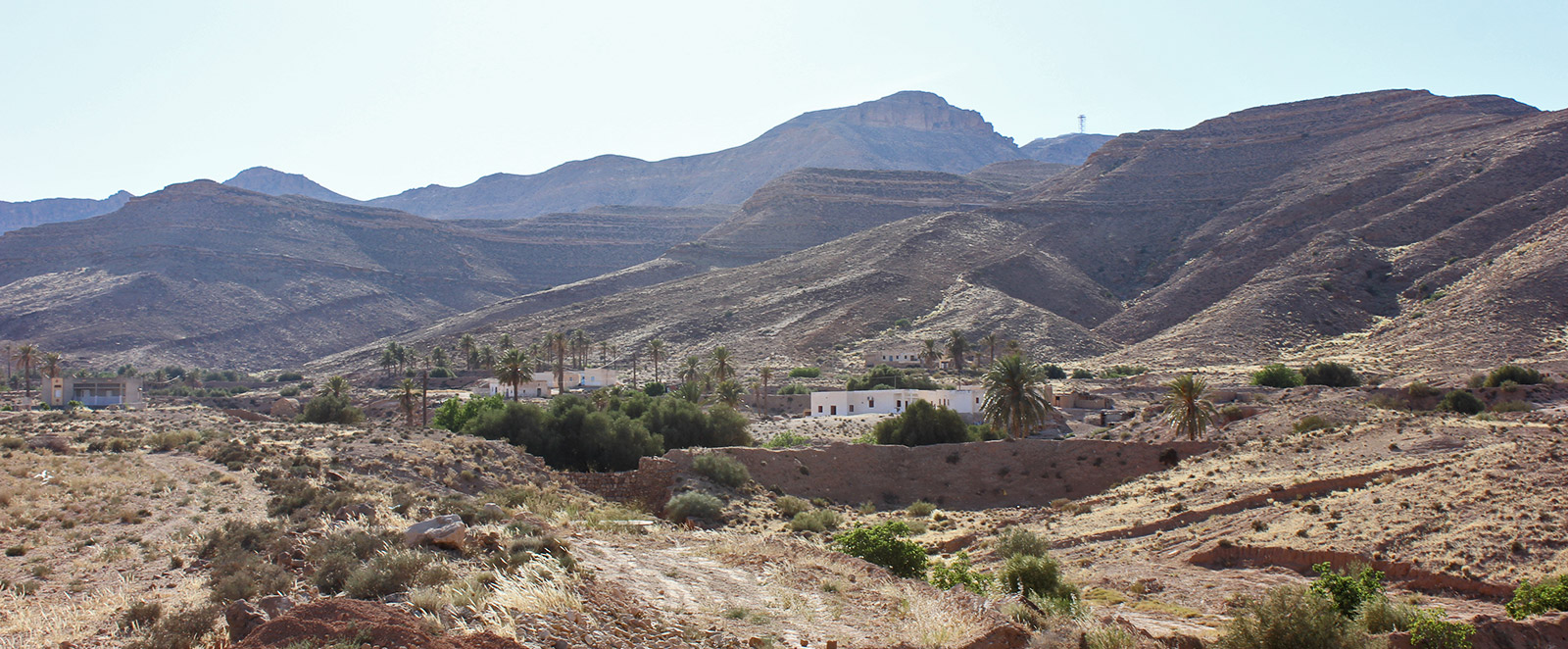
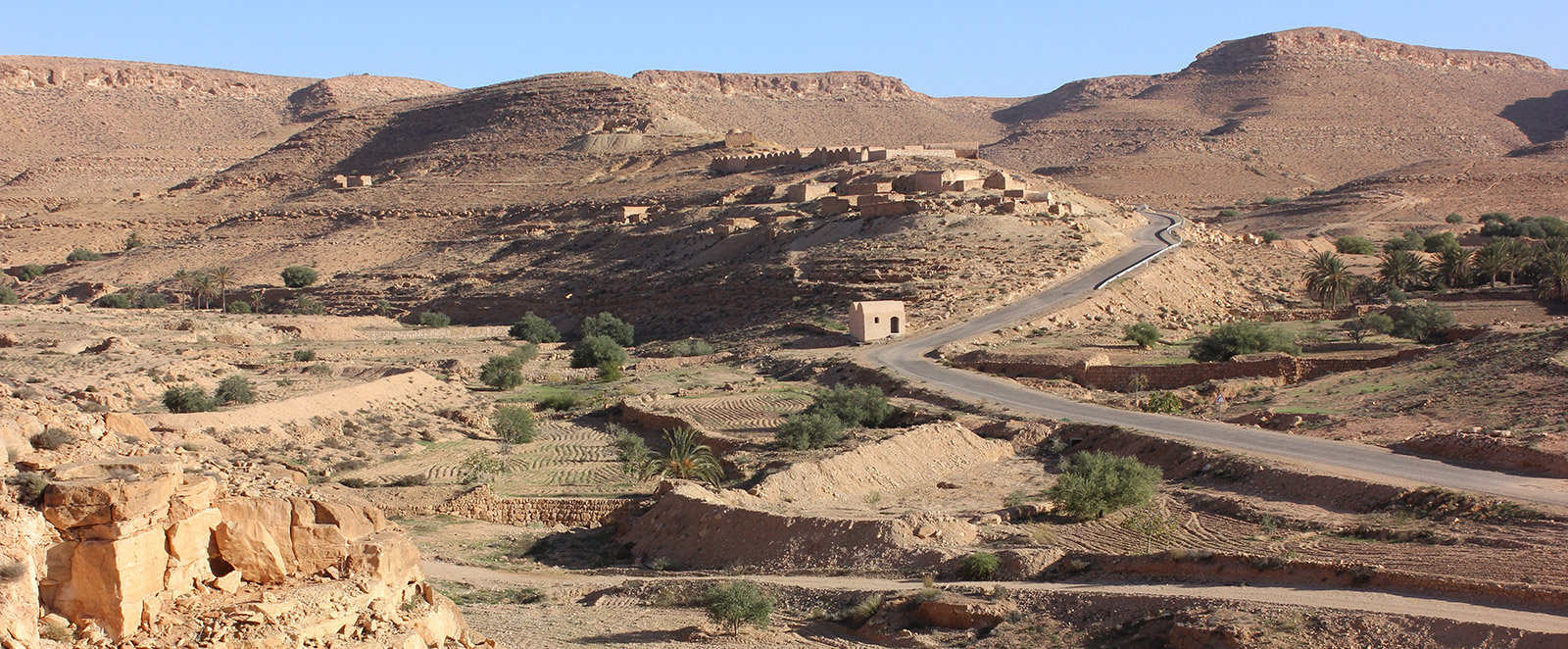
The most widespread olive species in the Matmata mountain range in southeastern Tunisia are the "Chemlali" and "Zarrazi" varieties. These two varieties are best adapted to the harsh climatic conditions of the region.
The olive harvest begins at the end of October and can last until the end of March. The harvesting process is generally carried out using simple methods, either by hand or through pole beating (beating the branches), as the use of ladders was not common. Often the harvest is left until the end of the season, when the ripe fruits are gathered from the base of the tree.
During low-yield agricultural seasons, small quantities of olives can be crushed manually in troughs or using a hand mill, and the oil is separated by hand skimming. However, during seasons of abundant production, the majority of the olive harvest is directed toward traditional oil mills.
Methods of Olive Tree Reproduction
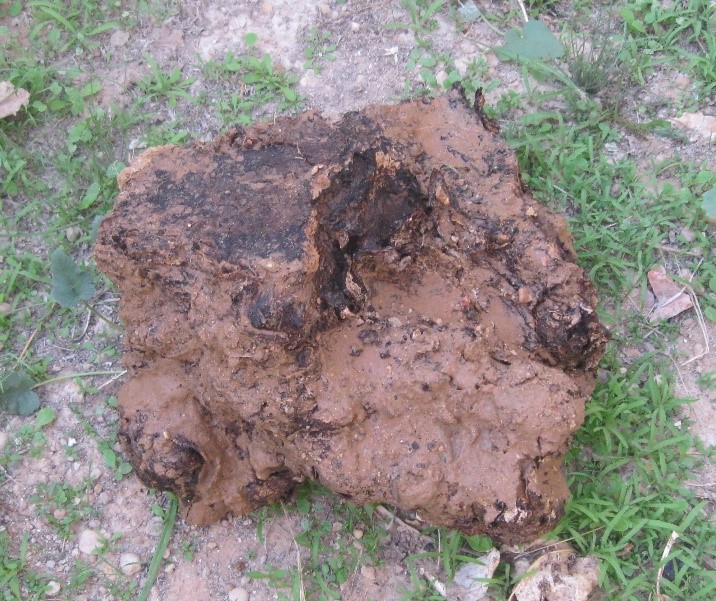 Olive stump cutting "kouba"
The most frequently used method for the multiplication and propagation of the olive tree in southeastern Tunisia is the traditional method of stump cuttings, known by locals as "kouba," which is practiced using fragments of stumps cut from the base of an old cultivated olive tree.
Generally, farmers (fellahs) transfer the stump fragments for immediate transplantation into a previously prepared spot to prevent them from drying out. To ensure a humidity level favorable for growth, farmers choose the period between the beginning of October and the end of December to take full advantage of the rainy season.
After planting a stump cutting, it takes months before it produces stems, and a decade before it bears fruit. Over time, and with the growth of several shoots at the base of a mature tree, farmers obtain several plants from a single olive tree. Thus, a field consisting of about twenty olive trees can be obtained from a single parent tree.